Shiko's Blog

What Is The Typical Evening J-Beauty Skincare Routine?
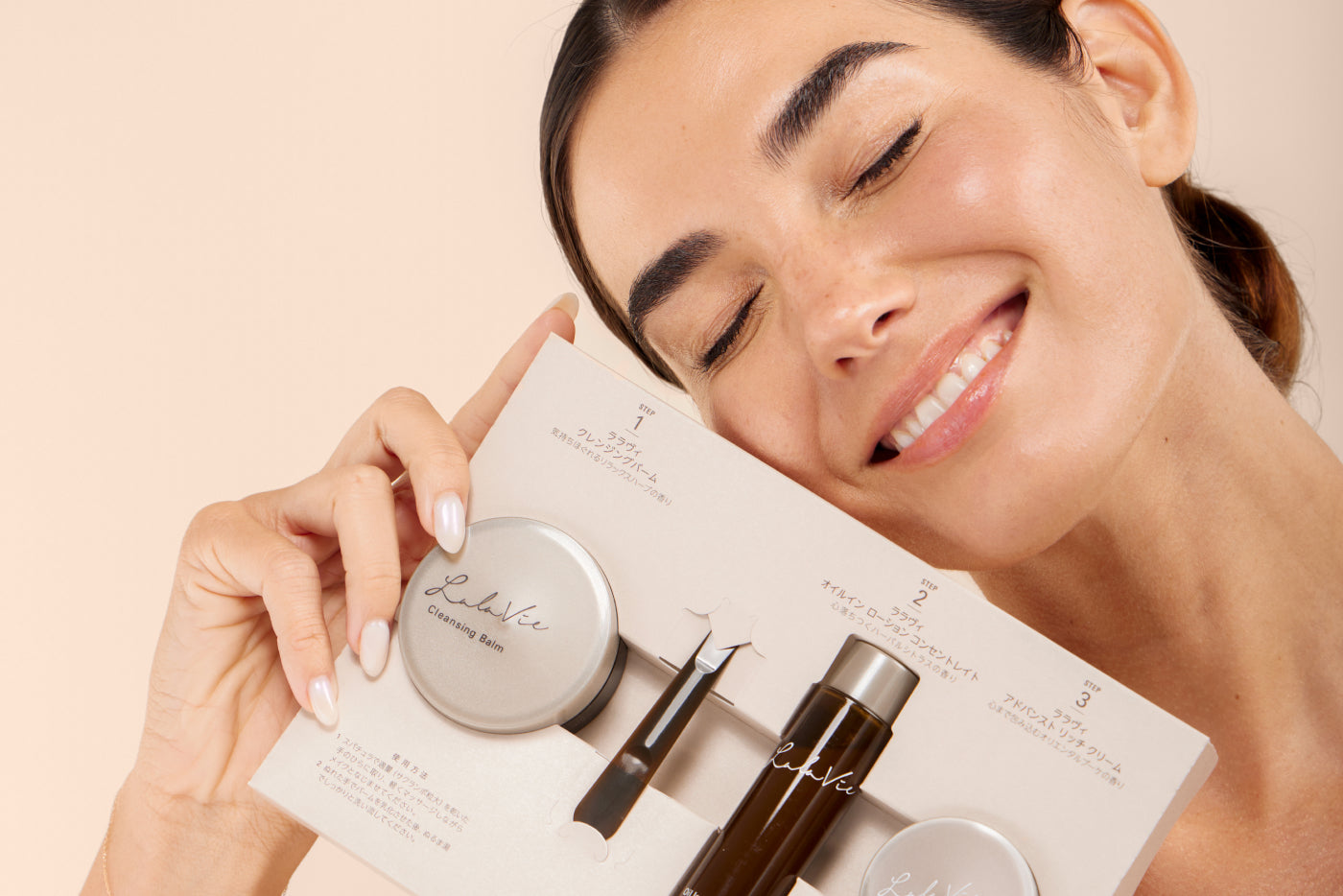
Delving into the world of Japanese beauty unveils an exquisite skincare philosophy that emphasizes simplicity, efficacy, and ritualistic care. The evening skincare routine in J-Beauty revolves around nurturing the skin after a long day, preparing it for rejuvenation overnight. This ritual, thoughtfully crafted, yet with simplicity at its core, involves a sequence of steps designed to cleanse, nourish, and replenish the skin, promoting a healthy complexion and inner balance. The Importance of an Evening Beauty Routine Crafting an evening beauty routine isn't merely a set of steps to follow by rote, but a harmonious ritual that nurtures both the skin and the soul. The significance of an evening beauty routine in Japanese skincare traditions transcends the physical aspects—it is a mindful practice that instills a sense of tranquility and self-care. This nightly ritual offers a precious opportunity to cleanse away the day's impurities, letting go of stress while preparing the skin for rejuvenation. By dedicating time to this routine, individuals can embrace a moment of mindfulness, allowing the cares of the day to melt away and inviting a serene transition into the restorative phase of sleep. How an Evening Beauty Routine Nourishes Your Skin An evening beauty routine holds a paramount role in nourishing the skin, aiding its natural rejuvenation process. It serves as a vital step towards maintaining skin health and vitality, allowing for repair and regeneration overnight. By diligently following a well-crafted routine, individuals can optimize the skin's ability to absorb nourishing ingredients, aiding in replenishing moisture, repairing damage caused by environmental stressors, and promoting a youthful radiance. This dedication to evening skincare isn't solely about achieving outer beauty; it's a practice that encourages self-love, fostering a deeper connection with oneself and nurturing a sense of well-being that transcends the surface. The Difference Between Morning and Evening Skincare Routines The distinction between morning and evening skincare routines in Japanese beauty traditions lies not only in their objectives but also in their approaches towards nourishing the skin. A morning skincare regimen is primarily focused on protection and preparation for the day ahead. It involves gentle cleansing to eliminate impurities accumulated overnight and applying lightweight products like serums and moisturizers to shield the skin from environmental aggressors, such as UV rays and pollution. Additionally, daytime skincare often includes the use of sunscreen as a crucial step to safeguard the skin against harmful sun exposure, a pivotal aspect in Japanese skincare routines to maintain a healthy and youthful complexion. Conversely, an evening skincare routine revolves around replenishment and repair, acknowledging the skin's natural rejuvenation process during rest. This nighttime regimen typically involves thorough cleansing to remove makeup, dirt, and pollutants accumulated throughout the day. Subsequently, it focuses on treating the skin with richer, nourishing products such as serums, heavier creams, or treatments containing potent ingredients like retinoids or peptides. The objective is to allow the skin to absorb these beneficial components deeply, aiding in repair, regeneration, and hydration overnight, promoting a revitalized and refreshed complexion come morning. Ultimately, while both morning and evening skincare routines share similar foundational steps, their tailored approaches cater to the skin's distinct needs at different times of the day, ensuring comprehensive care for a radiant and balanced visage.
Learn more
Japanese Beauty Hacks for Flawless Skin
Japanese beauty hacks for flawless skin have captivated the world with their intrinsic simplicity and profound effectiveness. Embedded within these age-old practices are lesser-known secrets that pave the way for radiant, flawless skin, unveiling a whole world of DIY treatments and skincare rituals deeply rooted in Japan's rich heritage, while also embracing the best of modern scientific techniques. We’ve assembled some of our favorite J-Beauty hacks in this article, so you can try adding them into your J-Beauty morning or evening routine for a bit of extra targeted treatment. Why is Japanese Skin so Flawless? The flawlessness found in Japanese skin is underpinned by a holistic approach to skincare that emphasizes purity, balance, and harmony. The renowned 'double cleansing' method embodies this ethos, gently purifying the skin by first dissolving impurities with an oil-based cleanser, followed by a water-based counterpart that ensures thorough purification without stripping away essential moisture. Additionally, and perhaps most importantly, Japanese skincare rituals prioritize hydration, embracing lightweight essences infused with natural ingredients like green tea and seaweed, renowned for their antioxidant-rich and skin-nourishing properties. This meticulous care, along with an unwavering commitment to natural remedies and a balanced lifestyle, contributes to the luminosity and clarity of Japanese skin. What is the Japanese Secret to Youthful Skin? The Japanese secret to maintaining youthful skin resides in a proactive, preventative approach rather than corrective measures. Central to the J-Beauty skincare philosophy is the veneration of sun protection. A daily ritual of applying high-quality sunscreen shields the skin from the damaging effects of UV rays, preserving your youthful radiance and preventing premature aging. Moreover, the Japanese emphasize hydration as a key element in their skincare routines, employing lightweight, hydrating products like toners and serums to maintain skin plumpness and resilience, effectively addressing early signs of aging. What is a Japanese Home Remedy for Wrinkles? Among the treasure trove of Japanese beauty hacks, rice water emerges as a revered home remedy celebrated for its anti-aging prowess. This humble elixir is easily crafted by soaking rice in water and utilizing the resulting liquid as a toner. Packed with antioxidants and vitamins, rice water toner tightens pores, brightens the complexion, and diminishes the appearance of fine lines and wrinkles. Its gentle yet effective nature encapsulates the essence of simplicity and efficacy synonymous with Japanese skincare. What is the Japanese Anti-Aging Secret? The Japanese approach to graceful aging transcends skincare, intertwining skincare rituals with holistic lifestyle practices. Embracing a nourishing diet rich in antioxidants—found abundantly in green tea, fish, and a variety of vegetables—plays a pivotal role. Equally significant are mindfulness practices like meditation and the Japanese art of forest bathing, fostering mental tranquility essential for holistic well-being. Prioritizing quality sleep completes this holistic approach, ensuring the body and skin rejuvenate optimally. Perhaps most importantly though, the Japanese perceive aging as a natural progression and uphold the belief that a serene mind and nourished spirit radiate an eternal vitality reflected in one’s external appearance. By caring for and nurturing yourself, body, mind, and soul, your skin will reflect the care you show yourself, aging gracefully and in good health.
Learn more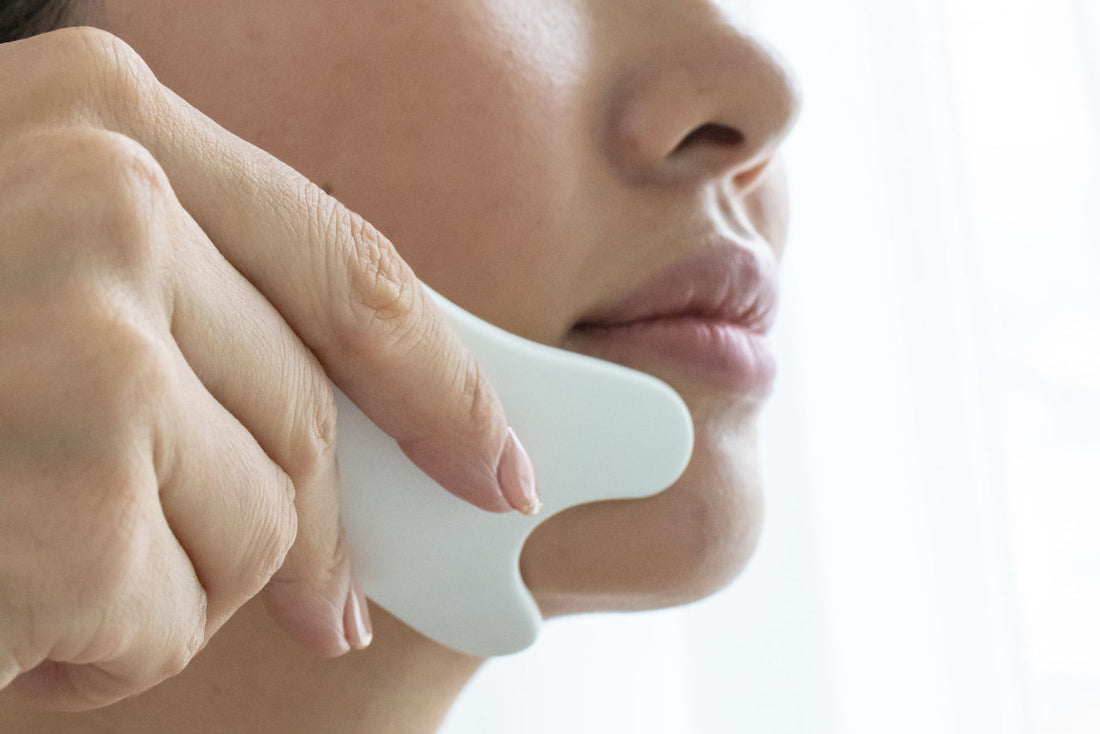
Gua Sha Basics: What They Are And How To Use Them
In J-Beauty, traditional rituals harmonize with modern advancements and scientific breakthroughs. One technique that has endured the test of time is the use of traditional Gua Sha. These simple yet profoundly effective tools have received renewed attention among beauty aficionados in recent years for their holistic approach to enhancing the skin's health and radiance. If you've been curious about Gua Sha, you're in the right place. In this guide, we will delve into the essential Gua Sha basics: what they are and how to use them. What Are Gua Sha? Gua Sha, pronounced "gwa sha," translates to "scraping" in Chinese. While this may sound like a harsh practice, Gua Sha are used gently, in smooth strokes, to massage the face. This sculpting action promotes blood flow, leading to a smoother and brighter complexion, creating a rejuvenating and gentle workout for your facial muscles. These tools are typically crafted from various materials, such as jade, rose quartz, or, in modern times, ceramic or stainless steel. Each material has its own unique qualities that influence its effectiveness. The History of Gua Sha Before we delve into the practical aspects of Gua Sha, it's essential to appreciate its rich history. Although the Gua Sha technique is rooted in traditional Chinese medicine, it has also been used in Japan for centuries. In Japan, Gua Sha is known as “kashin”, and was initially used as a form of healing, aimed at addressing various ailments by scraping the skin to release blocked toxins and energy. Kashin was used by the samurai to relieve muscle tension and improve circulation after training, and also by geishas to improve their skin and complexion. Of course, Gua Sha has adapted and evolved over time. It has transcended its therapeutic roots to become a cherished ritual that not only enhances the skin but also nurtures the soul. How Are Gua Sha Used? To maximize the effectiveness of this ancient practice, it's crucial to prepare your skin with your favorite face oil or moisturizer. This step ensures smooth gliding of the Gua Sha tool and minimizes any friction on the skin which could damage your skin’s surface. A traditional Gua Sha practice begins by contouring the face. Jawline: Begin at your chin and gently pull the Gua Sha tool upwards, moving towards just below your ears. Use the curved side (Side C) for this motion. Under Eyes: Lightly draw small spirals, starting from the inner corner of your eye and moving towards under the cheekbone, ending at the start of your ear. Use the pointed edge (Side A) for this delicate area. Cheeks: Glide the Gua Sha tool gently, starting from the crease of your nose and moving towards your ears. Use the curved side (Side B) for this step. Forehead: Begin in a radial pattern from the center of your eyebrows, moving towards your hairline. Again, use the curved side (Side B). Are Gua Sha Beneficial? The benefits of Gua Sha are far more than skin deep. Gua Sha are helpful for: Enhanced blood circulation: The gentle scraping action of the Gua Sha tool stimulates blood flow to the face. Improved circulation means better nutrient delivery to skin cells and the removal of waste and toxins, leaving your skin glowing and revitalized. Reduced puffiness: Gua Sha's gentle massage can help drain excess fluid from the face, reducing morning puffiness and promoting a more sculpted appearance. Stress relief: The rhythmic motions of Gua Sha, when performed mindfully, have a calming effect on the nervous system, promoting an overall sense of well-being. Facial muscle toning: Gua Sha exercises the facial muscles, helping to lift and sculpt the face over time. Regular practice can lead to a more defined jawline, higher cheekbones, and a more youthful appearance. Enhanced product absorption: Using a Gua Sha tool in conjunction with your skincare products can improve their absorption, making them more effective. What Is the Most Effective Way to Use a Gua Sha? The effectiveness of your Gua Sha practice not only depends on the tool but also on the technique. To make the most of your Gua Sha routine, consistency is key. Incorporate it into your skincare regimen 2-3 times a week, either in the morning or at night. Begin with a clean and moisturized face, as this ensures a smooth glide and minimizes any pulling or tugging on your skin. Take your time with each motion, allowing the tool to promote healthy circulation of energy, and a moment of relaxation for yourself.
Learn more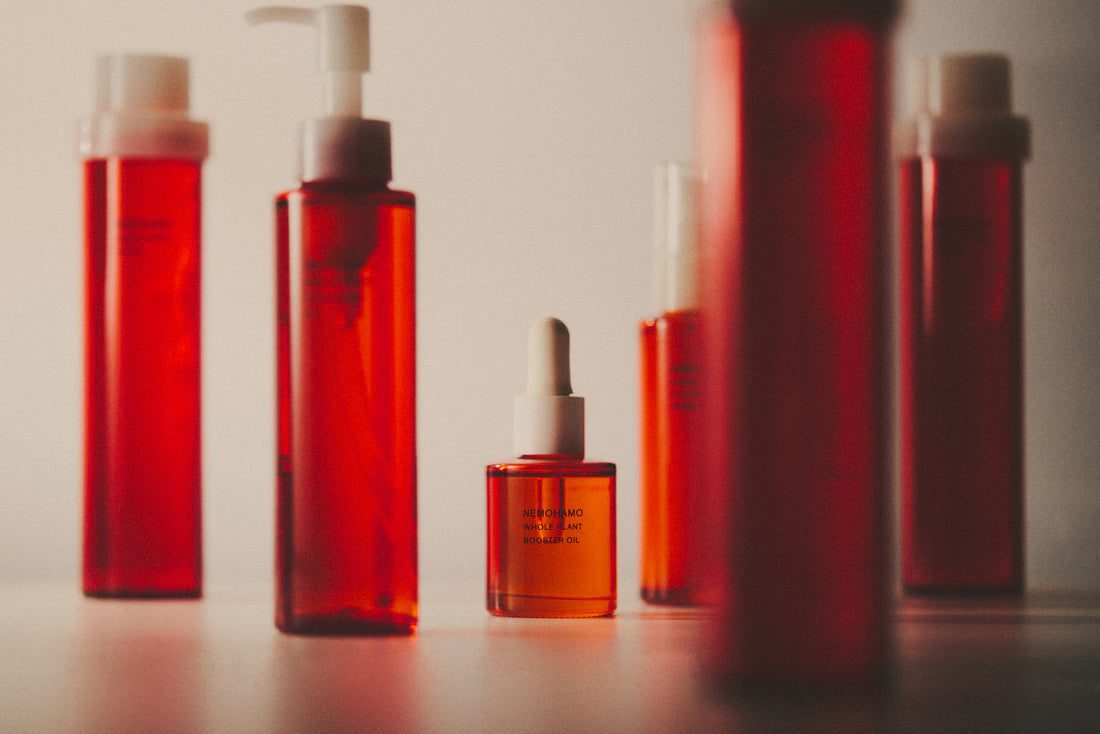
NEMOHAMO: Harness the Power Whole Plants For Your Skin
Every part of a plant, from roots, to leaves, to flowers, play a vital role in nourishing and keeping that plant alive. Each part contains its own highly specialized set of nutrients and valuable properties that work together as a whole. NEMOHAMO sets itself apart from the rest by using the power stored in the whole plant to create its line of highly effective skincare products. By using low-temperature vacuum extraction to make use of whole plants, they keep the enzymes, vitamins, and minerals of high quality plants fresh and highly bioavailable in their full line of skincare products, designed for all skin types. Ginseng Benefits For Skin Japanese and Chinese medicine have long used Panax Ginseng as a food, to help boost energy levels, and support the immune system. While widely known in the Western world as a dietary supplement, it has also been used in Japan for centuries as a skincare solution. The major active pharmacological component of ginseng is ginsenoside, a powerful, steroid-like saponin unique to the ginseng species. Ginsenoside has been proven to improve skin elasticity and moisturization. With the power to survive and thrive in challenging environments, ginseng is full of energy and rich in antioxidants. Ginseng Whole Plant Benefits NEMOHAMO harnesses the full potential of ginseng and ginsenoside by harvesting the entire plant - roots, leaves, stems, and flowers. Using only pesticide-free ginseng, sustainably harvested at their farm in Tsushima Japan, NEMOHAMO uses high concentrations of ginseng in every product. In fact, NEMOHAMO lotions do not contain even a single drop of water, so you know that every drop will contain nothing but highly concentrated plant material, bursting with vitality. With generous quantities of vital enzymes, vitamins, minerals, and antioxidants the full power of the entire ginseng plant energizes your skin to behave like young, healthy skin. How Ginseng Benefits Your Skin Ginseng works to benefit your skin in numerous ways, including: Increased moisturization: Ginseng has hydrating properties that help your skin retain vital moisture by creating a protective barrier on the skin’s surface. This helps prevent water loss and keeps skin looking plump and supple. Improved skin elasticity: One of Ginseng's many benefits is that it is known to stimulate the production of collagen, a vital protein that is necessary to maintain skin elasticity. As we age, our collagen levels naturally decrease which can lead to sagging skin and wrinkles. Ginseng boosts collagen production, leading to firmer, more resilient skin. Skin brightening: The revitalizing properties of ginseng help to brighten and even out skin tone by stimulating blood circulation, allowing nutrients to reach skin cells more quickly and efficiently. This increased blood flow creates a natural radiance and more vibrant complexion, while also reducing dark spots and hyperpigmentation. Antioxidant protection: Bursting with antioxidants, ginseng works to protect your skin from free radicals. Free radicals are unstable molecules that damage collagen and elastin fibers, leading to premature aging and dull skin. Antioxidants in ginseng help to neutralize free radicals, preventing oxidative stress and protection from environmental pollutants and UV damage. Anti-inflammatory effects: Ginseng possesses anti-inflammatory properties that can calm and soothe irritated or sensitive skin. It helps reduce redness and inflammation, making it beneficial for those with acne-prone or sensitive skin. By incorporating ginseng into skincare routines, individuals with problematic skin can experience a reduction in breakouts and a calmer, more balanced complexion.
Learn more
What Is Jasmine Oil and How Is It Used in Skincare
Jasmine Oil, derived from beautiful and fragrant jasmine flowers, is a hidden gem in the realm of natural skincare. Long associated with love and romance due to its delicate scent and pale white flowers, Jasmine oil has been used for centuries to help treat depression, lift mood, and boost the libido of men and women. With its heavenly scent and myriad skin benefits, it's no wonder that this essential oil has long been revered in the field of beauty and wellness. To learn about what jasmine oil is, and how it is used in skincare, we consulted with our skincare experts to help you fully appreciate the properties of this powerful and elegant skincare ingredient. Jasmine Oil Uses Known as the “perfume of love” in Hinduism, jasmine oil holds a special place in many cultures for its exotic and sensual fragrance. In China, it was long believed that jasmine could help clear the air of pollutants in sick rooms. Of course, it was later found that jasmine oil is actually antibacterial, and its uses have only become more popular as time goes on. Originating in Northern India and China, jasmine oil has spread around the globe due to its beautiful fragrance and numerous healing properties. From headaches to better sleep, from calming nerves, to exciting the libido, jasmine oil can be used in aromatherapy, massage, and of course, for skin care. What Does Jasmine Oil Do For Skin? Jasmine oil is a natural ally for the skin, imbued with restorative and healing properties. It is a powerful antioxidant, helping to protect skin from environmental stressors. It also has soothing and anti-inflammatory properties, which can be a balm for those with sensitive skin conditions. Moreover, it assists in balancing the skin, making it suitable for a variety of skin types, from dry to oily. In addition to its numerous healing properties, the sensual, floral aroma of jasmine oil is known to uplift the mood. It has also been used in aromatherapy to relieve nervousness, restlessness, and promote relaxation, offering a deeply holistic skincare experience. Does Jasmine Oil Clog Pores? An essential aspect of any skincare product is whether it clogs pores or not. Fortunately, jasmine oil is non-comedogenic, meaning it doesn't block the skin's pores. Jasmine oil allows the skin to breathe, keeping it healthy and radiant, without the worry of causing breakouts or blackheads. Does Jasmine Oil Tighten Skin? Jasmine oil has long been praised for its skin-toning properties. It helps improve skin elasticity and reduces the appearance of fine lines and wrinkles. This, coupled with its deeply hydrating qualities, gives skin a youthful, supple, and firm look. Jasmine oil works to tighten skin by encouraging blood circulation. This helps promote new cell growth that is needed to make collagen, the protein that gives our skin structure and suppleness. By promoting the production of collagen, jasmine oil helps to tighten skin, minimize the appearance of scars, and lessen the appearance of wrinkles. What Are the Side Effects of Jasmine Oil? Like all natural remedies, jasmine oil should be used with caution when using for the first time, especially for those with sensitive skin. While it's generally safe for topical use, some individuals may have an allergic reaction to jasmine oil. Before using any new product, including those with jasmine oil, perform a patch test to check for any adverse reactions. If you are using jasmine oil as a standalone product, it is crucial to use this potent essential oil diluted in a carrier oil. Jasmine oil works best however when combined with other ingredients.
Learn more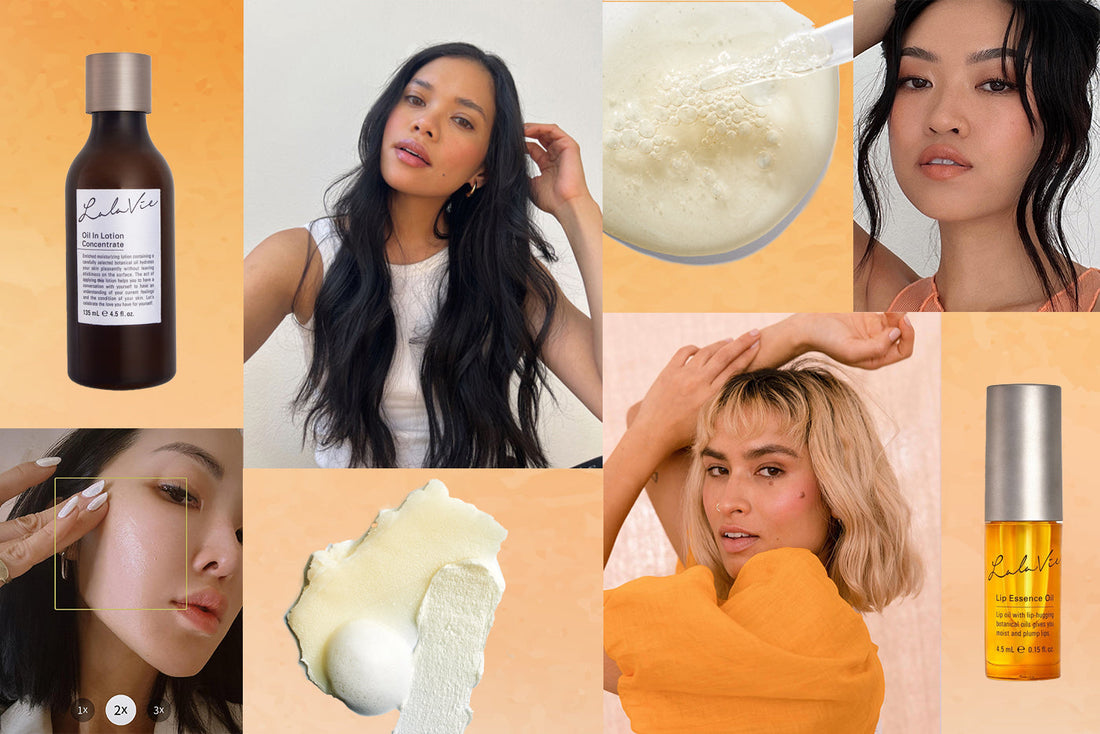
Here Are The Best 6 J-Beauty Influencers You Should Follow Today
Japanese beauty, also known commonly as J-Beauty, has been rapidly gaining popularity across the globe in recent years. With an emphasis on natural ingredients, minimalism, and holistic skincare practices that nourish beauty from the inside out, J-Beauty has been trending worldwide on every platform. With new influencers popping up seemingly every day, it can be difficult to know which instagram or TikTok stars to follow for expert J-Beauty advice. We’ve scoured the internet to introduce you to the best six J-Beauty influencers you should follow today. These influencers have built a strong presence on instagram as well as TikTok, sharing expertise, product recommendations, and skincare routines that follow J-Beauty principles. Stay up-to-date with the latest in J-Beauty products and routines that are more than just a passing trend by following these influencers pages, full of valuable insights into achieving healthy, radiant skin. What is Japanese Beauty? Japanese Beauty, or J-Beauty, has been around since the time of the geishas. The J-Beauty approach to skincare seeks to achieve mochi-like, soft and supple skin that is nourished and healthy. This is achieved through simple methods, starting with a double cleanse, and hydrating at every step. Why Is J-Beauty Popular? J-Beauty, short for Japanese beauty, is becoming wildly popular for an array of reasons. Emphasizing simplicity and minimalism, J-Beauty focuses on using fewer products with higher-quality ingredients, with an uncomplicated skincare routine that makes it easy to incorporate into your daily life. J-Beauty offers effective solutions to common skincare issues without overwhelming the skin with an excessive amount of products. In addition, J-Beauty advocates for a holistic approach to skincare, prioritizing not only external beauty, but the overall well-being of your skin and yourself. Healthy skin is achieved not only through products, but through healthy lifestyle choices, stress reduction, and self-care rituals that nurture the whole self. J-Beauty promotes a balanced and mindful lifestyle, going beyond mere skincare products, and offering a complete approach to healthy skin that radiates from the inside out. The Best Six J-Beauty Influencers You Should Follow Today Of course, the easiest way to stay up to date on the latest in J-Beauty trends and products is to follow expert J-Beauty influencers on social media. Our six favorite influencers currently online are: 1. Melissa Christine Instagram: @melissa.christine TikTok: @melissacgeraghty 20.2K Followers LA based actor and fashion blogger Melissa Christine is a renowned J-Beauty influencer with a passion for skincare and makeup. Her engaging personality and dedication to J-Beauty have earned her a loyal following of beauty enthusiasts looking to incorporate Japanese skincare principles into their routines. With product reviews, skincare tips, and step-by-step tutorials, her content is accessible and entertaining. View this post on Instagram A post shared by Melissa | Beauty + Style + Home (@melissa.christine) 2. Caitlin Miyako Instagram: @caitlinmiyako TikTok: @caitlinmiyako 12.5K Followers With the perfect cool-girl Los Angeles vibe, Caitlin Miyako seems to effortlessly do it all. A blogger, creative consultant, style influencer, and content director, her Instagram feed is a treasure trove of J-Beauty recommendations, skincare routines, and self-care tips. Caitlin embraces the connection between skincare, lifestyle, and overall well being, encouraging her followers to adopt a mindful and balanced approach to beauty. View this post on Instagram A post shared by Caitlin Miyako Taylor (@caitlinmiyako) 3. Chriselle Lim Instagram: @chrisellelim TikTok: @chrisellelim 1.5M Followers Chriselle Lim is a prominent American fashion stylist, lifestyle and beauty blogger, and digital influencer. Starting her career as a wardrobe stylist and fashion editor for a local luxury magazine in Beverly Hills, she founded The Chriselle Factor in 2011, along with a YouTube channel focusing on empowering and inspiring women all over the world. With a seamless blend of fashion, beauty, and lifestyle content, she’s a one-stop shop for style enthusiasts everywhere. Chriselle has a keen eye for quality and innovation, and her expertise in J-Beauty products and practices has led her to collaborate with renowned Japanese beauty brands, and made her one of the most influential tastemakers on the internet today. View this post on Instagram A post shared by Chriselle Lim 🌟 (@chrisellelim) 4. Vpofglow Instagram: @vpofglow TikTok: @vpofglow 15.8K Followers Victoria P, or Vpofglow as she is known online, is a J-Beauty enthusiast who focuses on achieving healthy and radiant skin through effective skin care practices. “Minimal effort, maximum glow” is her motto, with an Instagram feed full of a delightful mix of product reviews, skincare routines, and detailed ingredient analysis. Victoria's dedication to educating her followers on the benefits of J-Beauty is evident in her informative captions and engaging content that always centers easy skincare and make up routines designed to maximize your natural glow. View this post on Instagram A post shared by victoria p. | easy skincare, makeup, + glow✨ (@vpofglow) 5. Sandy Lin Instagram: @heysandylin TikTok: @heysandylin 34.7k followers Sandy Lin got her start as a YouTube starlet, famous for her eponymous YouTube channel. With a fresh, youthful perspective on the beauty industry, Sandy Lin has gained massive popularity for her fashion and beauty vlog. Featuring lookbooks, makeup tutorials, and hauls, she offers followers an exciting glimpse into the world of Japanese Beauty. Her Instagram account builds on her YouTube channel, and is a testament to her passion for skincare and commitment to exploring the latest in J-Beauty innovations. View this post on Instagram A post shared by SANDY LIN (@heysandylin) 6. Meg Instagram: @milktea.meg TikTok: @milktea.meg 95.9k followers Featuring Western and Asian beauty and fashion tips, Meg always makes sure to provide special tips and techniques for those with oily, or acne prone skin. Her Instagram feed offers a blend of J-Beauty content, travel adventures, and lifestyle inspiration. Advocating a gentle and nurturing approach to skincare, she features lesser-known J-Beauty brands that deserve a chance in the spotlight. View this post on Instagram A post shared by Megan | Beauty + Fashion Blogger🕊 (@milktea.meg) The Hottest in J-Beauty Trends J-Beauty has become a global phenomenon, and these six influential Instagram accounts provide an excellent starting point for exploring the wide world of Japanese skincare and beauty. If you’re interested in a minimalistic skincare routine, a holistic approach to skincare, or just in discovering innovative new J-Beauty products, these influencers offer a wealth of knowledge and inspiration. Of course, you can also head over to our blog for in depth tutorials on the newest trends in ingredients, as well as traditional rituals and skincare secrets. Wherever you are on your skincare journey, we have a wide array of J-Beauty products that can help you achieve healthy, radiant skin through the principles of Japanese Beauty.
Learn more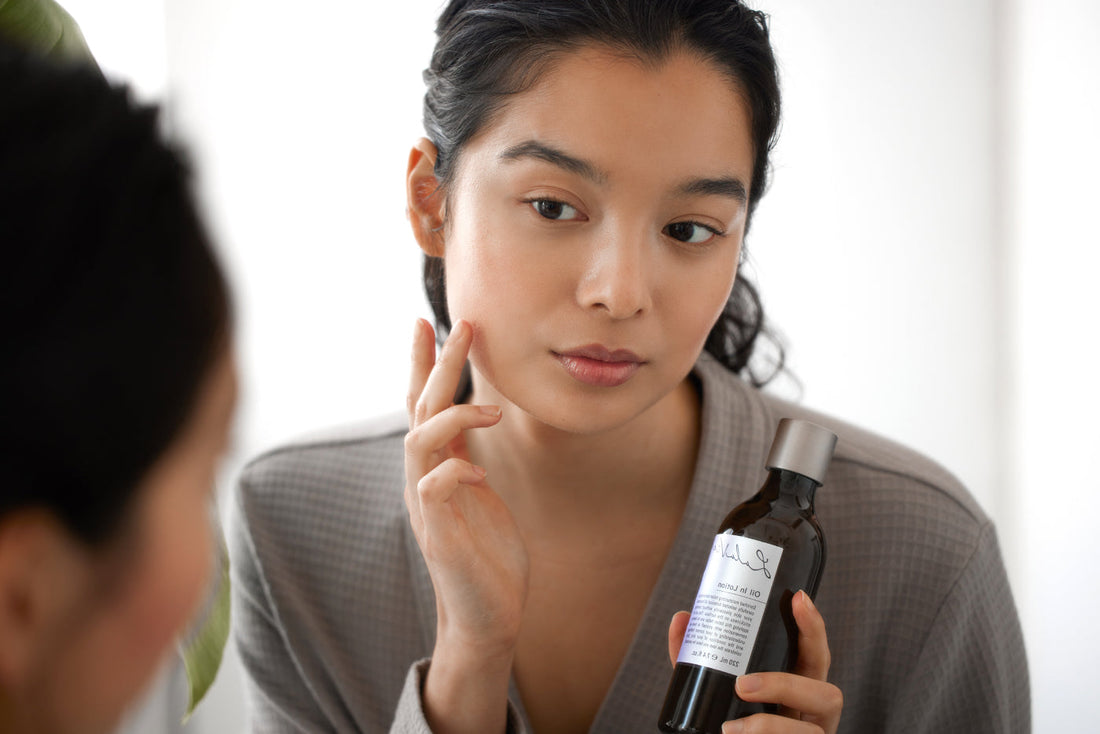
Anti-Aging: When Should You Start Using Products and Procedures?
Aging is a natural process that happens to all of us in time. Rather than focusing on preventing aging entirely, Japanese beauty rituals focus on aging gracefully, with healthy, radiant skin that is nourished and loved throughout the aging process. As we grow older, our skin will naturally undergo numerous changes, such as losing elasticity, forming wrinkles and fine lines, and losing plumpness. You may have noticed a slew of anti-aging products and procedures that promise to reverse or slow down signs of aging, but when should you start using anti-aging products and procedures? And what might the effects be if you start using these products at a young age? Knowing the potential side effects, recommended uses, and the ideal age to start using anti-aging products can help prepare you to keep your skin glowing and vibrant for years to come. What Does Anti-Aging Mean in Skincare? Anti-aging products are skincare or cosmetic products that use substances that help to slow or reverse the aging process and promote youthful-looking skin. These products address the physiological processes that cause signs of aging skin with ingredients that target specific skincare concerns associated with aging. These common concerns related to aging skin include: Fine lines Wrinkles Loss of elasticity Uneven skin tone Anti-aging skincare products typically include ingredients such as retinol, hyaluronic acid, peptides, antioxidants, and vitamins that all work together to stimulate collagen production, improve skin’s hydration, and reduce wrinkles and fine lines. What Happens If You Use Anti-Aging Products at a Young Age? While of course it makes sense to use anti-aging skincare products as you grow older, many people wonder whether or not they should incorporate anti-aging skincare products or procedures at a younger age to stave off signs of aging. Though it may seem counterintuitive to use these products before signs of aging become apparent, it can actually be useful to use anti-aging products at a young age as a preventative measure. Of course, using anti-aging skincare products at a young age may not produce immediate results. But early prevention can be immensely beneficial in the long run, as anti-aging products promote healthy skincare habits, and maintain healthy skin by preventing environmental stressors such as sun exposure and pollution. What Is the Perfect Age to Start Using Anti-Aging Products? Determining the perfect age to start incorporating anti-aging products is highly subjective, and will depend on your genetics, lifestyle, and individual skincare concerns. With all of this said, our J-Beauty skincare experts recommend that most people begin incorporating anti-aging skincare products into their skincare routine in their late 20’s or early 30’s. That’s because this is when collagen production first begins to decline for most individuals, and with it, the initial telltale signs of aging may begin to appear. By introducing anti-aging products into your daily skincare routine at this state, it is possible to combat the effects of aging before they begin and maintain your skin’s youthful health and glow for longer. Can I Use Anti-Aging Products in My 20s? While signs of aging may not be a predominant concern of most people in their 20’s, it is actually not too early to start taking preventative measures to preserve your skin’s youthful appearance. In fact, by adopting a proactive approach, you can help maintain healthier skin for a longer period of time. However, those who choose to use anti-aging skincare products in their 20’s will want to make sure to select products that are suitable for younger skin. Lightweight formulations, especially lightweight moisturizers and Japanese serums, are excellent options for those in their 20’s. Skincare products that focus on hydration, antioxidants, and sun protection are ones that will be most suited for younger skin. What Order Should You Use Anti-Aging Products? Japanese beauty rituals stress the importance of using products in the correct order, to prep skin, and seal in hydration and soothing benefits. Anti-aging products are no exception to this rule. We recommend that you use products in order of their consistency, starting with a double cleanse, moving on to the thinnest product up to the thickest. This ensures that each product is absorbed thoroughly, and can deliver its maximum benefits. After double cleansing, the next steps should be to use a serum, Japanese emulsion, and finally ending with a heavy cream or moisturizer. This allows each product to penetrate the skin fully and address your specific skincare concerns. Do Anti-Aging Creams Have Side Effects? Anytime you begin using a new product, it has the potential to cause side effects, and anti-aging creams are no exception. It is essential to choose reputable brands and check the ingredient list carefully, especially if you have known allergies or sensitivities. New skincare products, especially anti-aging products, may cause redness, dryness, or irritation, so a patch test is a good idea before moving to a full application. Luckily, with J-Beauty products, you never have to worry about harsh or unnatural chemicals. Japanese skincare prides itself on its use of gentle, natural ingredients, so the chance of a reaction is rare. Of course, if you have especially sensitive skin, you may wish to consult a dermatologist before starting any new skincare routine to make sure it’s suitable for your skin type. J-Beauty and Anti-Aging Products and Procedures J-Beauty emphasizes holistic skincare, with a focus on natural, gentle ingredients. Every step in your J-Beauty skincare routine focuses on prevention, protection, and long-term skin health, with multi-step routines that nourish and revitalize your skin. The approach aligns perfectly with the science behind caring for aging skin, prioritizing consistent and comprehensive care that hydrates and protects skin so it can age with grace and beauty. The decision of when to start using anti-aging products is a personal one that will be centered around your individual skin concerns and preferences. Beginning to use anti-aging skincare products in your late 20’s or early 30’s can work as a preventative measure, not only by providing your skin with needed hydration and nourishing ingredients, but also by establishing a consistent, holistic skincare routine. Shop our full line of Japanese anti-aging skin care products, and begin your journey towards youthful, more radiant skin today.
Learn more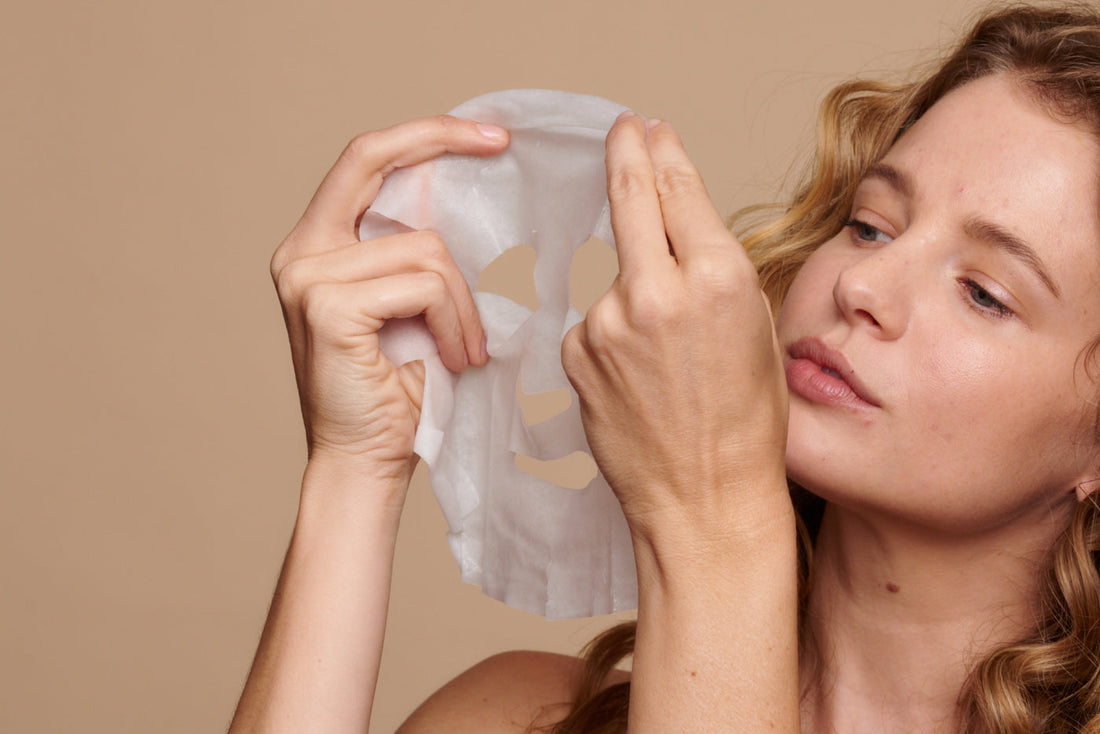
The Power of Japanese Sheet Masks: The Perfect Summer Skincare Treat
As the dark days of winter come to an end and we spend more time exposed to the hot summer sun, it's important to take the time to protect your skin by showing it some extra love and care. One of the easiest and most effective ways to do this is by incorporating the power of Japanese sheet masks into your skincare routine. These masks are the perfect summer skincare treat, and a luxurious way to protect and nourish your skin during the hot summer months. Let’s learn about the benefits of Japanese sheet masks and discover some of the most popular Japanese sheet mask brands and products. Are Sheet Masks Good for Summer? While we often associate winter with dryness, summer can be equally as harsh on your skin. Increased exposure to the sun, sweat, and dirt in the summer can easily lead to dehydration, dullness, and increased oil production. Hydrating products are essential for protecting your skin from feeling dry and parched in hot weather. Japanese sheet masks are the perfect solution to these summer skin woes. They provide an intense, concentrated dose of hydration, which helps to replenish the moisture lost due to the heat. Japanese face masks also help to soothe sunburnt skin and restore its natural glow, while offering protection from environmental stressors like pollution and UV rays. Is It Better To Do a Sheet Mask at Night or Morning? Japanese sheet masks can be used at any time of the day, however, it is generally recommended to use them at night. That’s because our skin goes into repair mode while we sleep, allowing the mask to boost your skin's own natural regenerative process. Using a Japanese sheet mask first thing in the morning can also be a fantastic way to prep your skin for makeup, and offer protection as you go about your day. It’s also a great way to give your skin a quick hydration boost if you’re feeling particularly dry that day. Do I Need To Wash My Face After Using a Sheet Mask? After applying cream based masks, it's usually recommended to wash off any remaining residue. This does not apply to sheet masks however, because sheet masks contain active ingredients that will continue to nourish your skin long after the mask has been removed. A Japanese sheet mask is perfect to use as you relax before bedtime, only requiring that you remove the mask and rub in any additional moisture that remains after you take it off and drift off to sleep. Our Favorite Japanese Skincare Masks For Summer
Learn more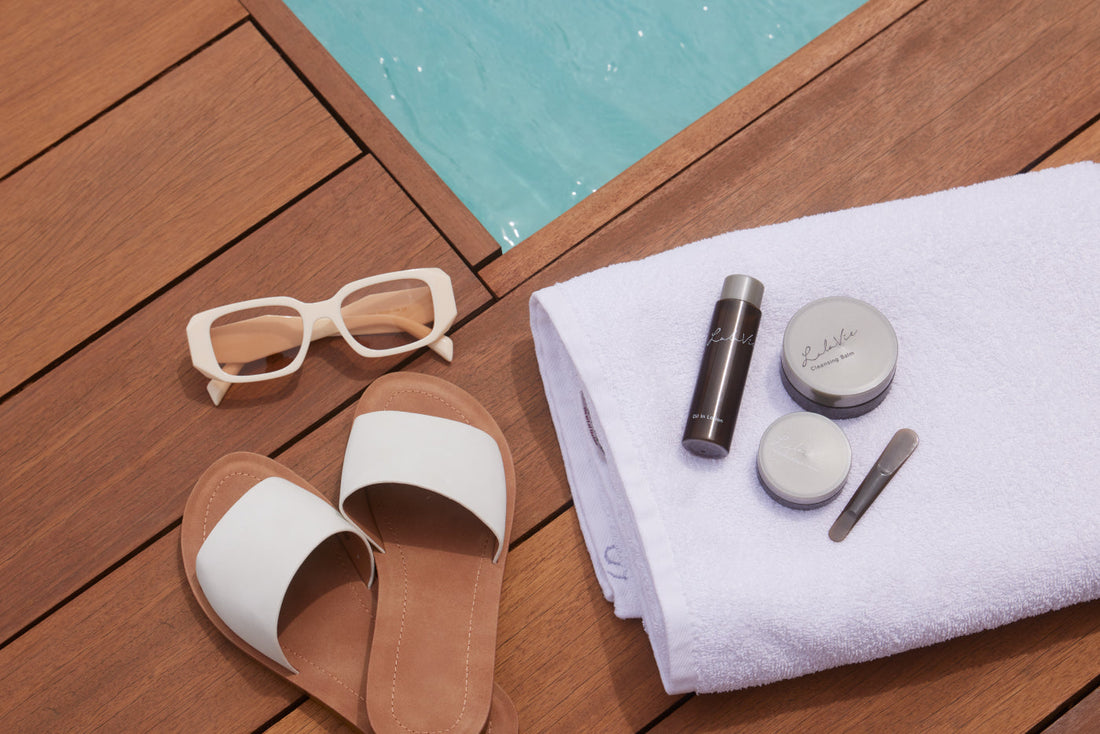
Three Reasons Why Japanese Beauty Products Are a Must-Have for Your Summer Beauty Routine
With summer just around the corner, your skincare routine will need to adapt and change just like the seasons. Summer skincare needs to focus on protecting and nourishing skin as sun exposure increases, along with humidity and other environmental factors. So let’s look at three reasons why Japanese beauty products are a must-have for your summer beauty routine. We’ll also address some of the most common questions about changes to your skin in the summer, and how you can help prep your skin to stay youthful and radiant all year round. Why is Japanese Skincare the Best for Your Skin? Japanese beauty products, or “J-Beauty” products, have been growing in popularity around the world, thanks to their exceptional quality and efficacy. J-Beauty products have numerous standout features including: Emphasis on gentle formulations: Japanese beauty products are renowned for their gentle formulations that prioritize your skin’s health and sensitivity. By avoiding harsh chemicals and focusing on restoring and maintaining your skin’s barrier function, J-Beauty products promote a balanced and resilient complexion that is radiant from the inside out. Dedication to high-quality, natural ingredients: J-Beauty products focus on including natural, high-quality ingredients, many of which have been used for centuries in traditional skincare routines in Japan. Ingredients such as sake, green tea, rice bran, and seaweed provide potent hydration, antioxidants, and nourishment to the skin. Modern skincare innovations: Japan is often at the forefront of advancements in skincare technology, and new products and ingredients are constantly being researched or developed. Utilizing cutting-edge formulations and state of the art delivery systems, J-Beauty skincare combines traditional ingredients with the latest advancements in skincare.
Learn more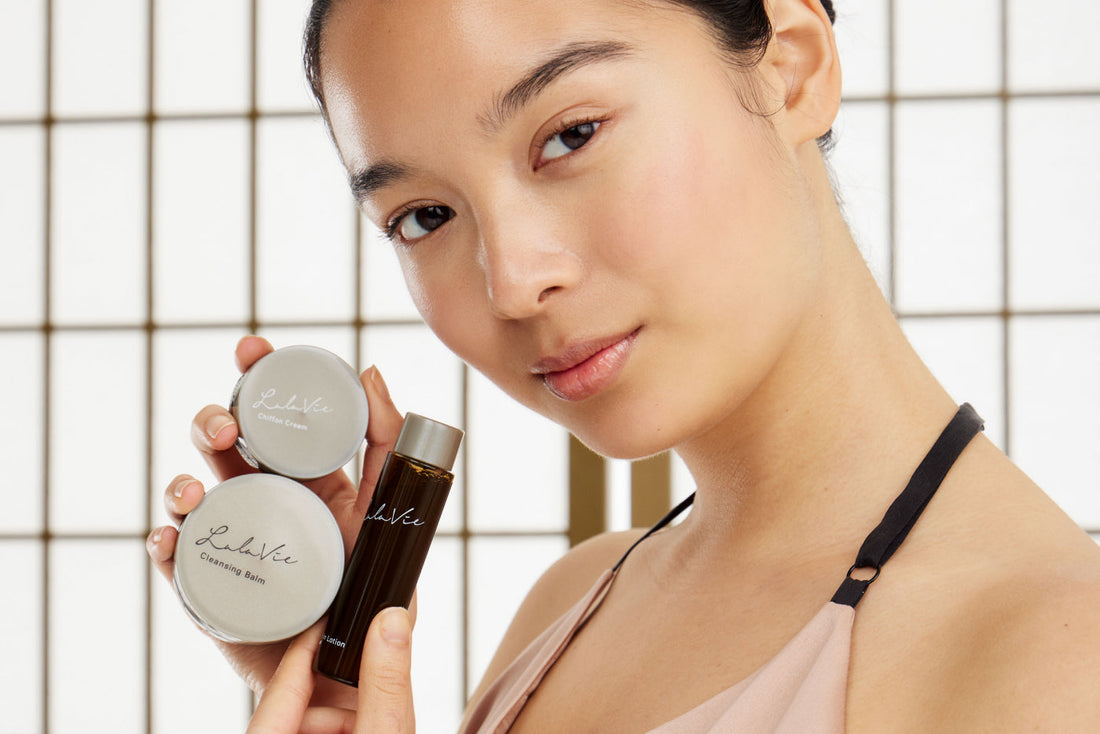
Dry vs. Dehydrated Skin: What's the Difference and How to Treat Them
Dry skin and dehydrated skin may sound very similar, but in fact these are two separate skin conditions that need very different approaches to healing. Just as you may see the terms “moisturization” and “hydration” used interchangeably when talking about skincare, it’s important to define what these terms mean to find the best solution for your skincare problems. What is The Difference Between Dry Skin and Dehydrated Skin? In the simplest terms: dry skin lacks oil, while dehydrated skin lacks water. While this may sound simple, only by understanding the root causes behind lack of oil or water in the skin can you start to heal. Luckily, Japanese skincare solutions offer effective treatments for both dry and dehydrated skin. Of course, it is important to combine not only quality products, but also lifestyle changes for issues related to dry or dehydrated skin. But before we delve into that, let’s look closer at each term. What is Dry Skin? Dry skin is a skin type caused by a lack of sebum production in the skin. This can be caused by genetics, as well as external factors. External factors that contribute to dry skin can include: The weather Taking long, hot showers Use of harsh soaps, or detergents Dry skin often appears flaky, rough, and tight. Those with severe dry skin may also experience symptoms such as redness or itchiness. What is Dehydrated Skin? Dehydrated skin is usually only a temporary state caused by a lack of water in the uppermost layer of the skin, disrupting the skin’s protective barrier function. Healthy skin should contain around 30% water, which is essential for maintaining skin’s strength, elasticity, and plumpness. If your skin loses more water than it takes in, it will become dehydrated. This can manifest in several ways, including: Dullness Fine lines Tightness Itchiness Dehydrated skin can also cause the skin to produce excess oil in an attempt to balance itself, which can lead to acne and breakouts. Causes of Dehydrated Skin Dehydrated skin can be caused by a wide array of factors, including: Diet: If you do not drink enough water, or eat a diet lacking in water rich foods, it may cause you to become dehydrated. Excessive caffeine or alcohol consumption can also dehydrate the body and skin. Lifestyle choices: Lack of sleep, smoking, and stress can all contribute to dehydrated skin. Climate: Dry or cold weather can strip moisture from the skin, as can exposure to air conditioning or dry indoor heating. How Do You Know if You Have Dehydrated or Dry Skin? One of the easiest ways to tell if you are dehydrated is to do what is known as the “pinch test”. Simply pinch a small amount of skin on your cheek, abdomen, chest, or back of your hand and hold for a few seconds. If your skin snaps back into place quickly, you are likely not dehydrated. If your skin takes more than a few moments to bounce back to normal, you are likely dehydrated. Dryness is one of the five primary skin types (normal, oily, combination, sensitive, or dry). Age also can contribute to dry skin as your skin’s ability to produce sebum over time declines, especially after age 40. How Do I Know If My Skin Needs Moisture or Hydration? If your skin is dry, it is lacking oil and therefore needs moisturizing products and care. If your skin is dehydrated, your skin is lacking water and needs hydrating products and care. Remember that while hydration makes skin feel soft, it cannot stay soft if there is no oil to protect that hydration from escaping. Water escapes our skin in a process known as Transepidermal Water Loss, or “TEWL”. TEWL is the amount of water that evaporates through your skin passively due to water vapor pressure gradient on both sides of the skin barrier. This is why it is so important to build up and protect your skin's barrier function, to slow down TEWL and help retain moisture and hydration in the skin.
Learn more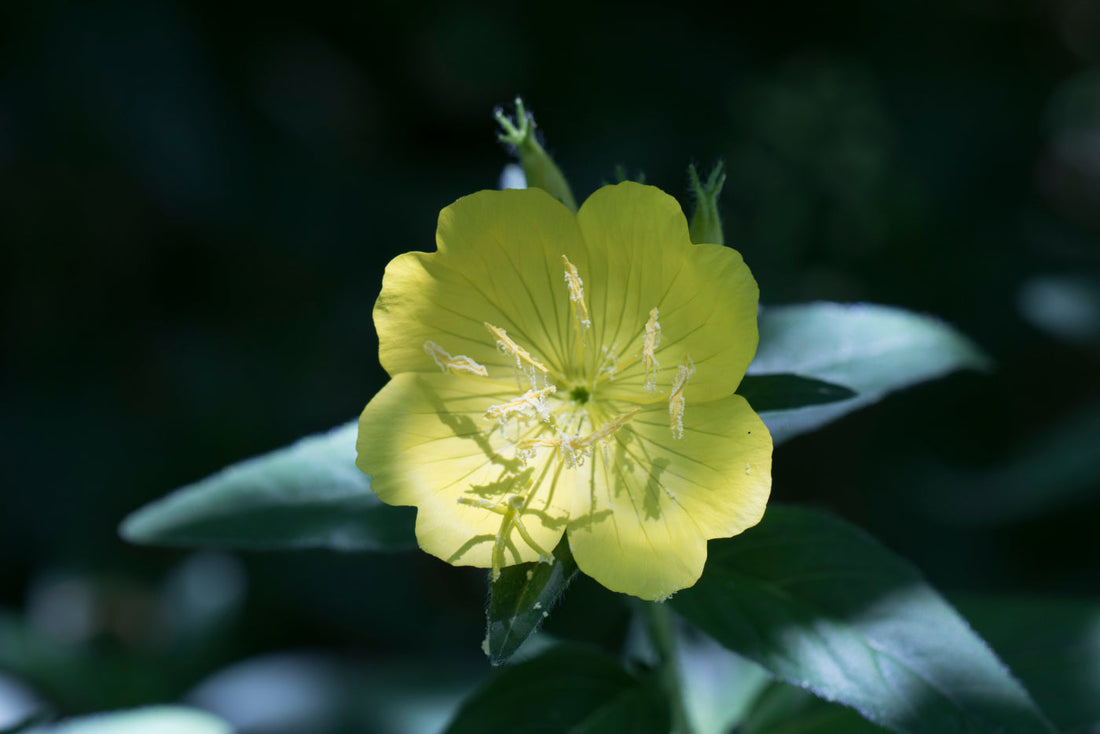
What Is Evening Primrose Oil and How Is It Used in Skincare?
With an unparalleled ability to clarify skin and reduce inflammation, beautiful, night-blooming Evening Primrose is a must have for any skin care regimen. With acne-fighting and anti-aging properties, let’s take a closer look at what Evening Primrose is, and how it can be used in your skincare regimen. Uses of Evening Primrose Oil Evening Primrose is a common yellow wildflower found in many parts of the world, closing its petals in the daytime and opening up its delicate yellow buds as the sun begins to set. Oil is pressed from the plant's deep rich red seeds, and has been used for centuries for a wide variety of medicinal uses, from balancing hormonal issues, to joint pain. Sometimes sold or labeled under its latin name, Oenothera biennis, or as “fever plant”, “night willow herb”, or “Stella di sera”, Evening Primrose was originally used by Native Americans to help speed wound healing; the root can be heated to treat hemorrhoids, or as a salve for skin problems. Use of Evening Primrose quickly spread as a treatment for skin conditions caused by inflammation such as psoriasis and eczema. What Is Evening Primrose Oil? Bursting with Gamma-linoleic acid (or GLA), an essential omega-6 fatty acid that is crucial to the development of cell membranes and hormones, Evening Primrose Oil infuses skin with essential nutrients that nourish and repair skin from the inside out. The human body is unable to produce GLA on its own, even though it is a vital nutrient for maintaining healthy skin, and helps to reduce inflammation and promote skin hydration. In addition to providing necessary GLA, Evening Primrose contains other skin loving fatty acids, such as linoleic acid and oleic acid. Its ability to balance hormones can help control hormonal acne, while its antioxidant properties help protect and replenish aging skin. J Beauty products value ingredients that hydrate and help reduce inflammation, believing that well hydrated, healthy skin, will lead to radiant, clear skin. By helping to nourish and heal skin from the inside, Evening Primrose oil is a perfect ingredient in many J-Beauty products.
Learn more
What Is Grapeseed Oil and How Is It Used in Skincare?
Using the right kind of oil for your skin type can deliver undeniable results and leave your skin feeling nourished and hydrated like no other product can. From a seemingly endless list of oils, who should choose grapeseed oil, and how exactly is it used in skincare? Grapeseed oil may not be as well known as its slightly heavier cousins in the kitchen, olive and coconut oil, but this lightweight and versatile oil has an array of beneficial properties that may be just what your skin needs. What Is Grapeseed Oil? Grapeseed oil is actually a byproduct of wine making. After grapes are pressed to make wine, tiny grape seeds are left behind as a waste product. Grapeseed oil is made by cold pressing these seeds, a process that helps ensure that the active ingredients and oil itself is not chemically altered as the oil is extracted. The result is a thin, silky oil that is virtually odorless, and pale green in color. Just like a fine glass of wine, grapeseed oil is bursting with antioxidants and polyphenols. Bursting with high amounts of omega fatty acids and vitamin E, grapeseed oil also contains phytochemicals such as proanthocyanidins which helps defend skin against UV rays and has been shown in studies to help prevent skin cancer.
Learn more