
Japanese Bath Products
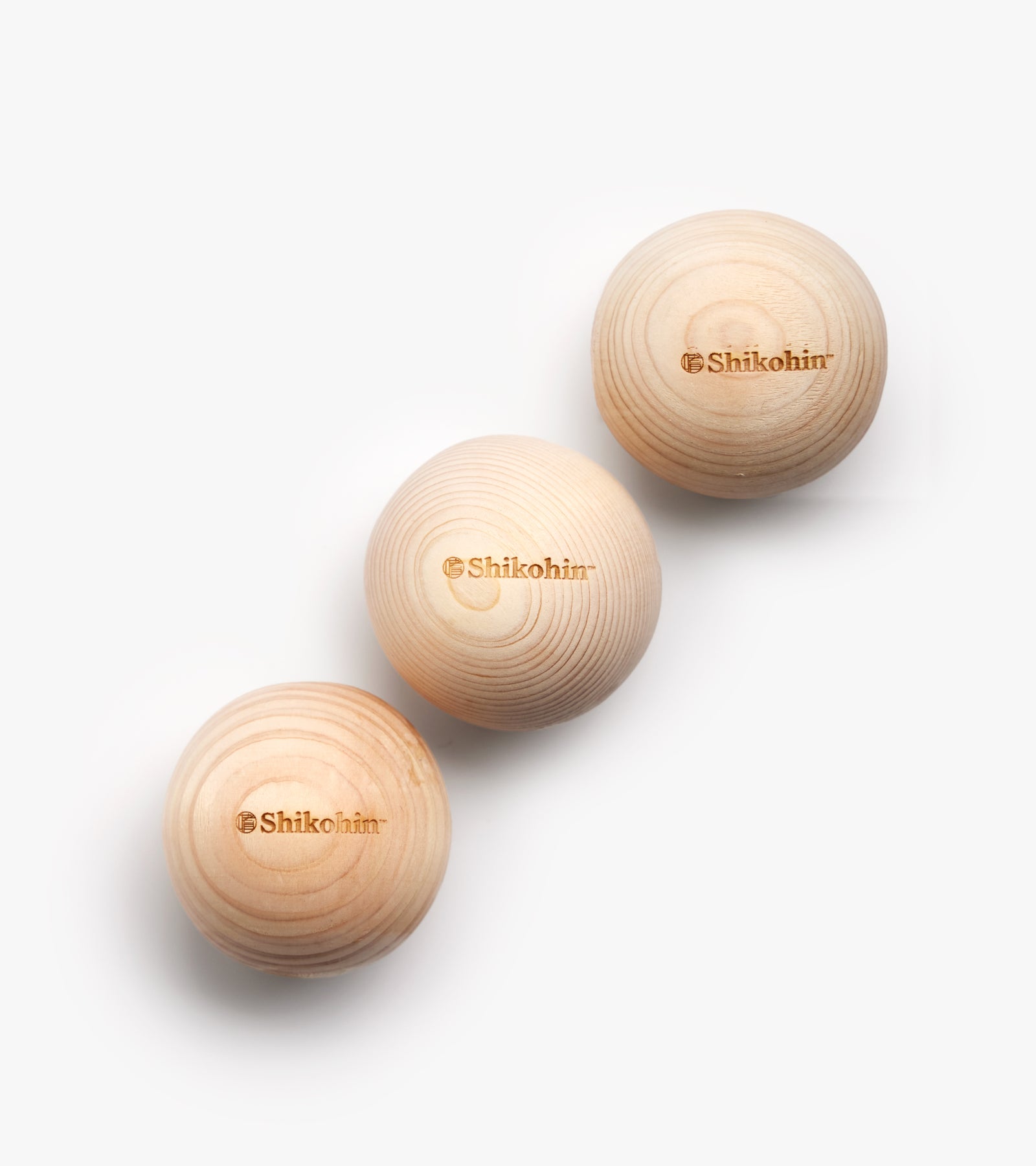
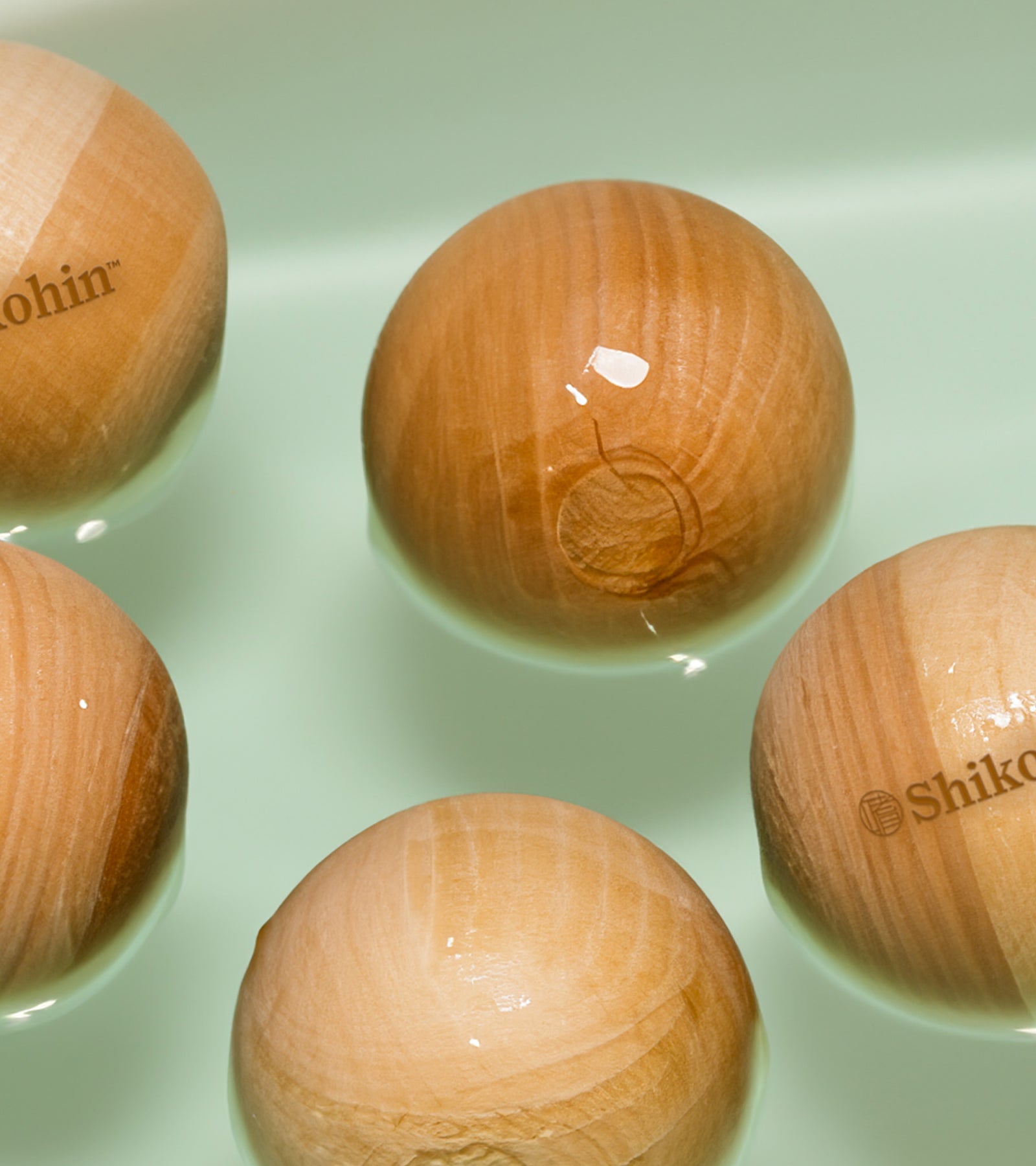
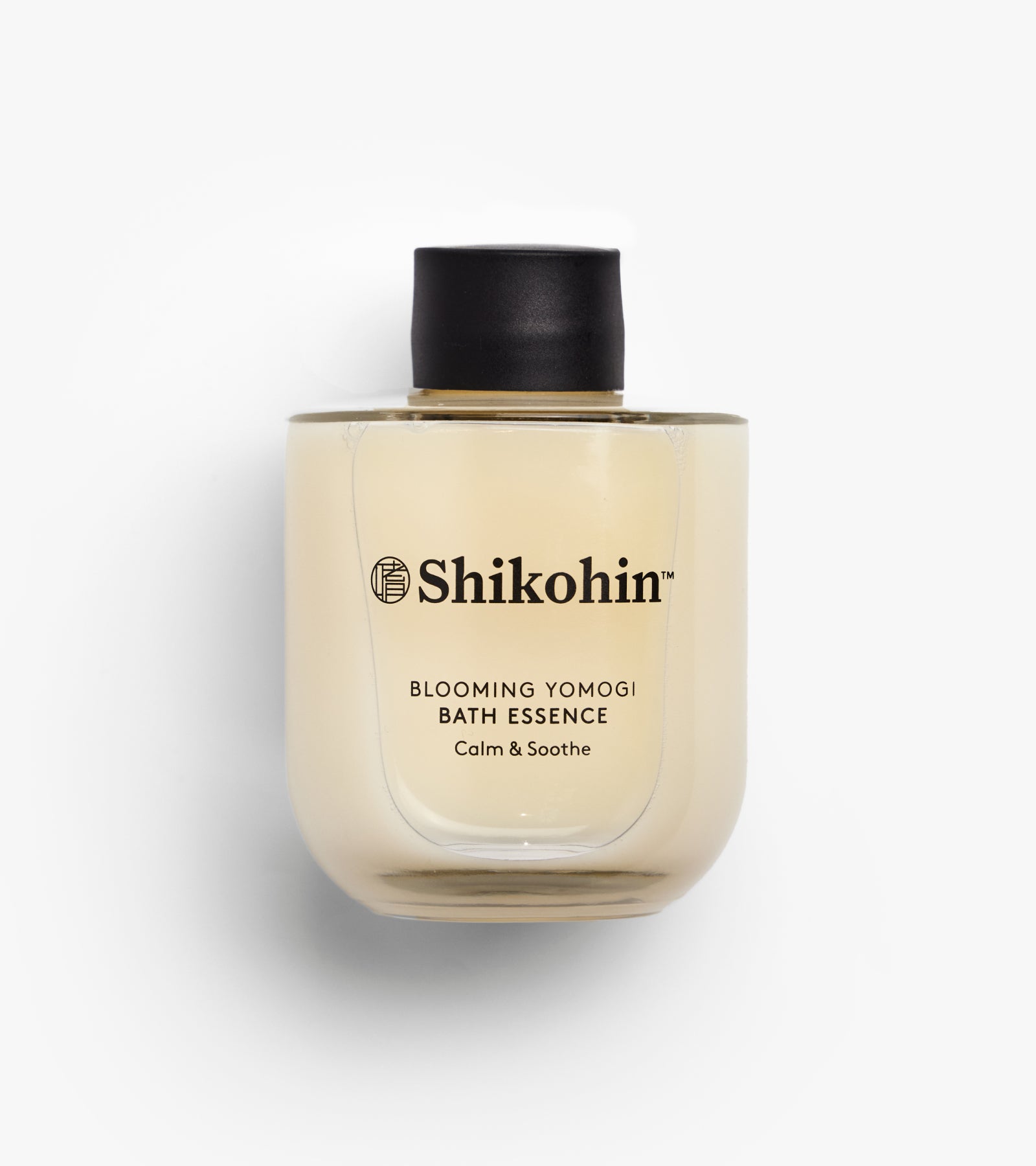

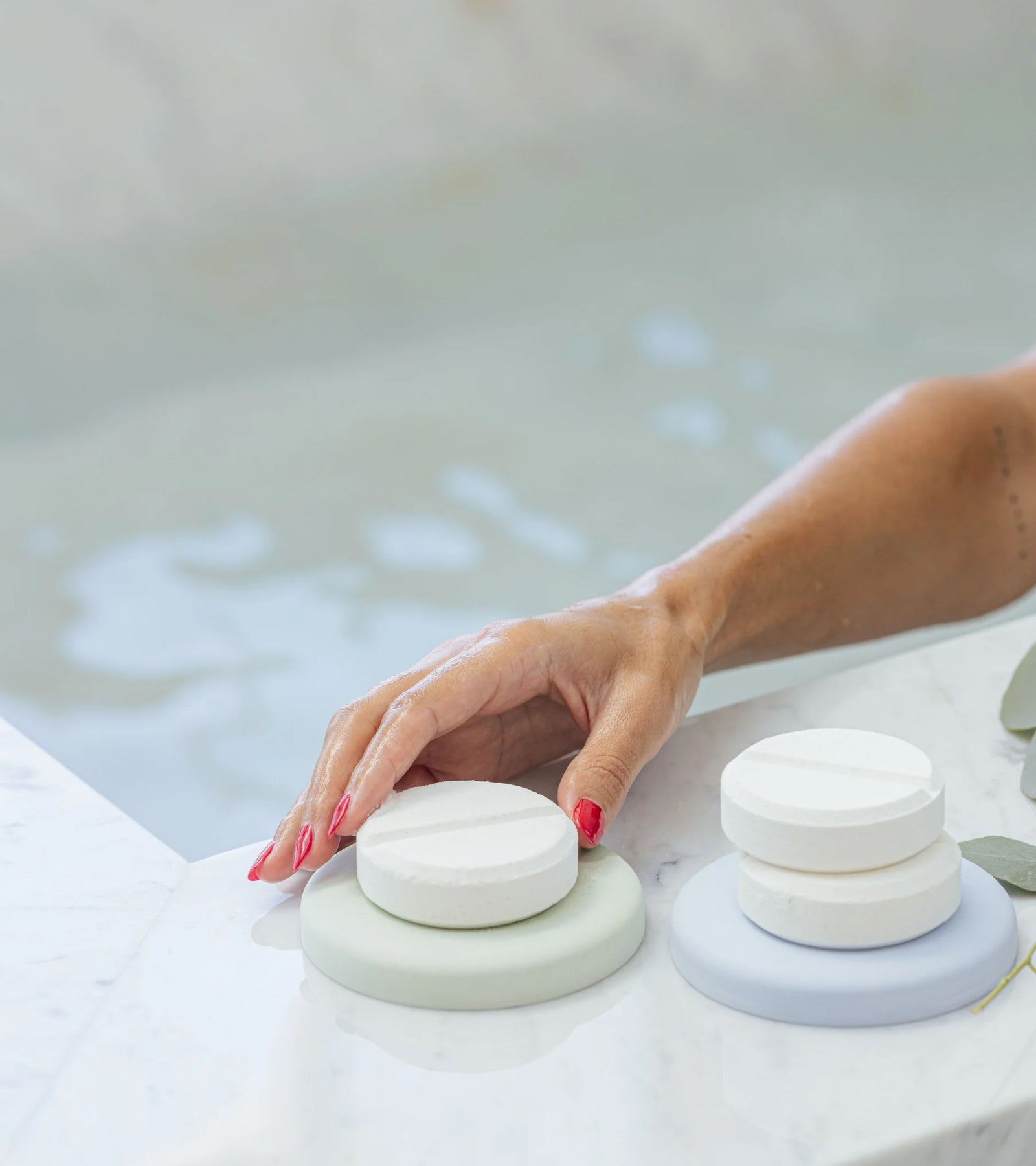
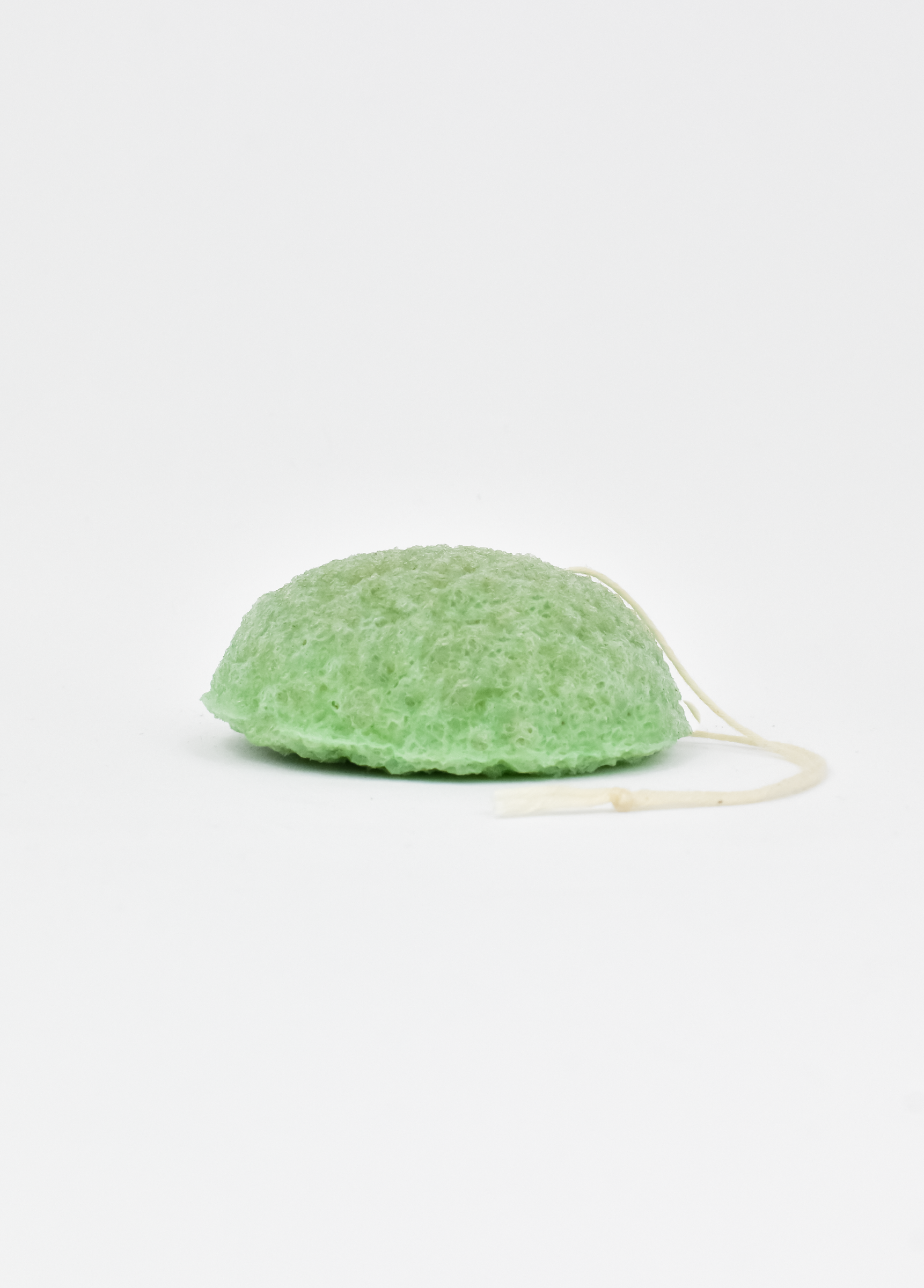

Vendor: Shikohin
Matcha Mochi Konjac Sponge
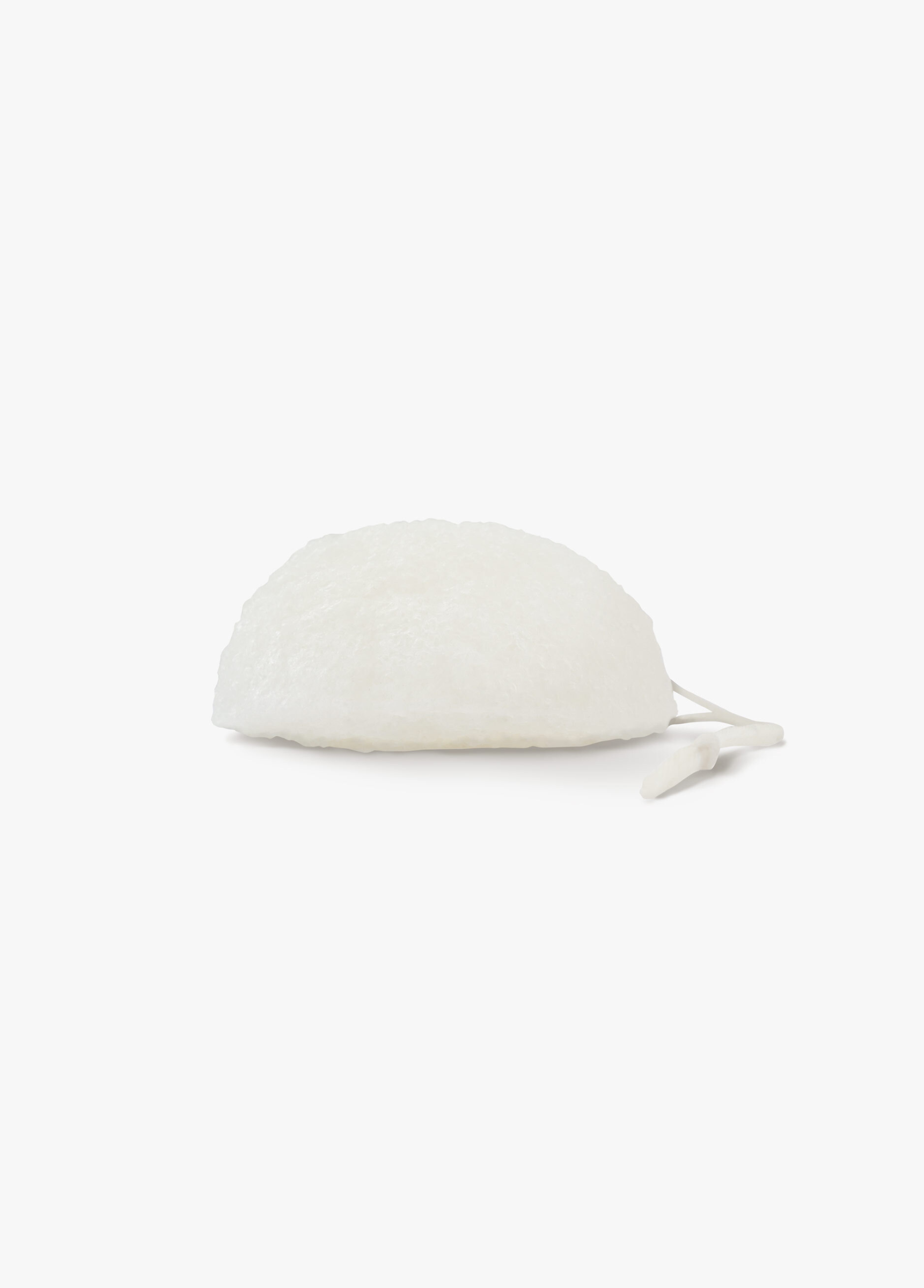

Vendor: Shikohin
Natural Mochi Plant Konjac Sponge
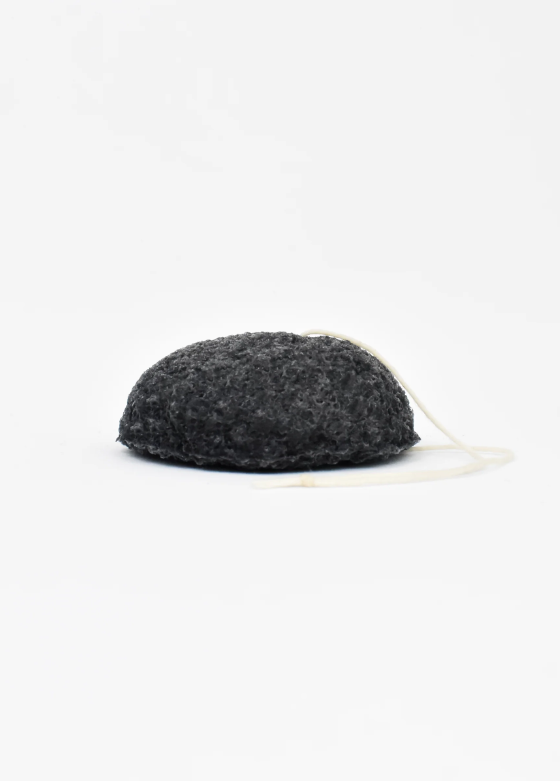

Vendor: Shikohin
Charcoal Mochi Konjac Sponge
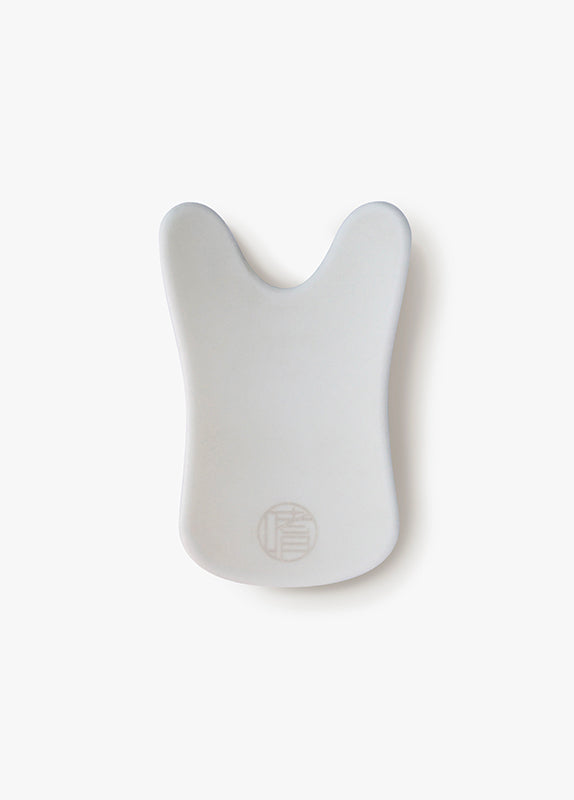
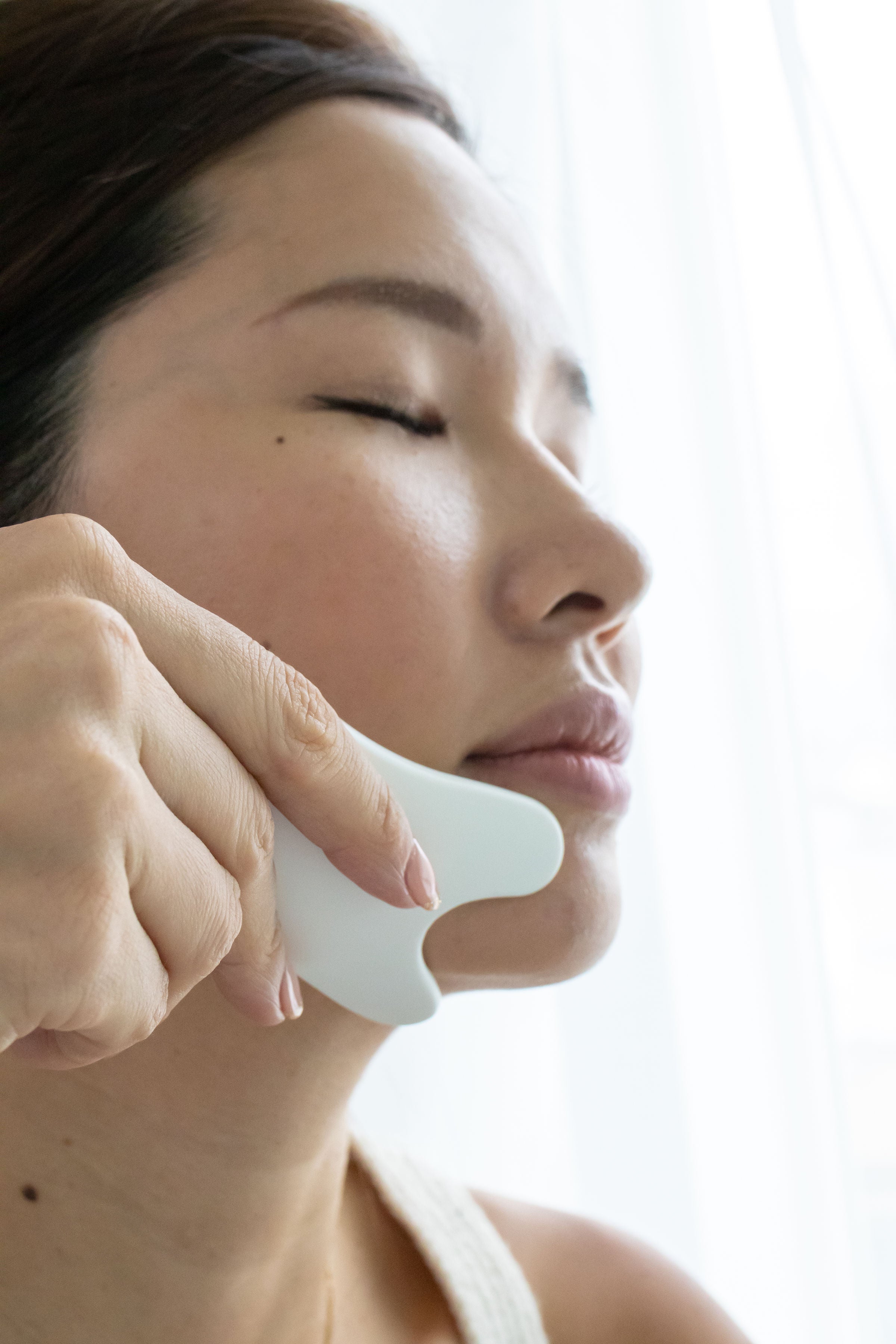
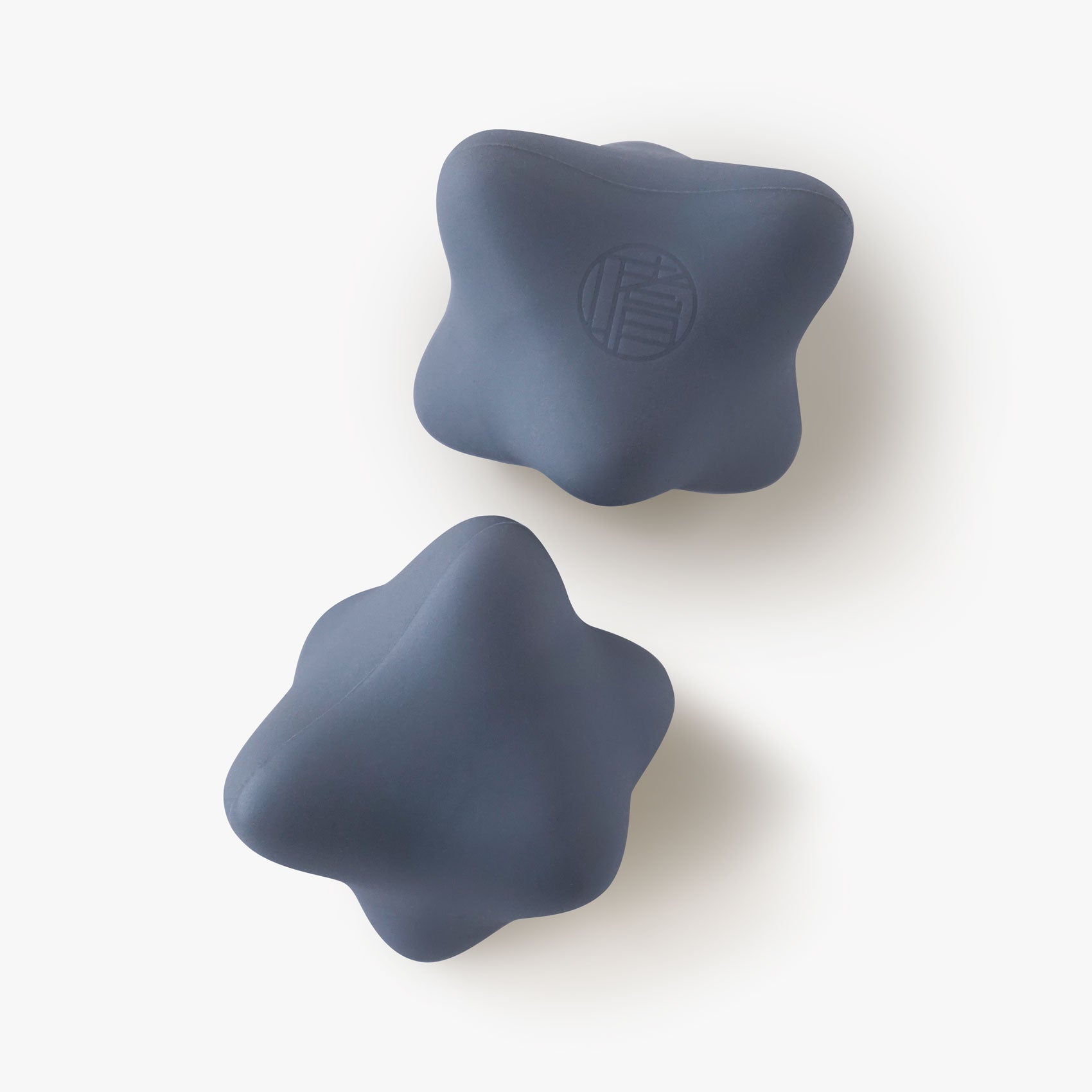
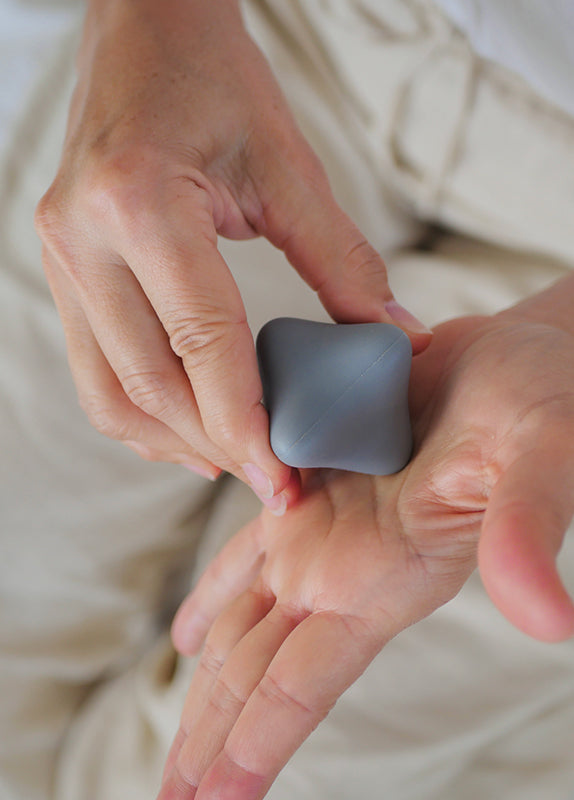
Vendor: Shikohin
Tsubo Oshi Massage Tool
The Traditional Techniques and Enduring Legacy of a Japanese Bath
Japanese bathing rituals have been a cornerstone of wellness for centuries. Steeped in rich history and tradition, these practices go beyond mere cleansing, promoting relaxation, mindfulness, and a deep connection with self.
Central to the Japanese bath is the ofuro, a deep soaking tub typically made of cypress wood. The water is often heated to a comfortable temperature and infused with various bath additives, such as yuzu (citric citrus), hinoki (cypress wood chips), or onsen (natural hot spring water).
A Multifaceted Approach to Wellbeing
Japanese bath products offer a multitude of benefits for both the mind and body:
- Relaxation and Stress Relief: The warm water and soothing scents of bath additives promote deep relaxation, easing muscle tension and melting away the stresses of daily life.
- Skin Nourishment and Hydration: Many traditional bath products are formulated with natural ingredients known for their moisturizing and nourishing properties, leaving skin feeling soft, supple, and radiant.
- Improved Circulation: Soaking in warm water can help improve blood circulation, promote overall well-being, and potentially reduce aches and pains.
- Enhanced Sleep Quality: The calming effect of a Japanese bath ritual can significantly improve sleep quality, allowing you to drift off to sleep feeling relaxed and rejuvenated.
- A Moment of Mindfulness: The Japanese bath is seen as a time for self-care and reflection. Free from distractions, it allows you to reconnect with yourself and find inner peace.
Indulge Your Senses: Exploring Popular Japanese Bath Products
There are a variety of Japanese bath products available to cater to your individual preferences:
- Japanese Bath Salts: Available in various scents and formulations, these mineral-rich salts help soften the water, soothe muscles, and improve circulation.
- Japanese Bath Powders: Finely milled powders like mugwort (yomogi) or rice bran (nuka) release beneficial properties into the bathwater, often known for their detoxifying and skin-softening properties.
- Japanese Bath Bombs (Bath Ball): Made with nourishing ingredients and essential oils, these bath bombs fizz delightfully in the water, releasing their delightful scents and pampering properties.
- Japanese Soaps: Experience the luxurious lather and cleansing properties of traditional Japanese soaps, often formulated with natural ingredients like green tea, rice bran, or seaweed.
Embracing the Japanese Bath Experience at Home
Creating a Japanese bath experience at home is simpler than you might imagine. By incorporating a few key elements, you can transform your routine into a luxurious and restorative ritual that captures the essence of Japanese bathing traditions.
Setting the Mood
The first step to recreating a Japanese bath at home is to set the tone for relaxation. Dim or replace harsh lighting with soft, ambient options such as candles or Himalayan salt lamps. Scents play a vital role in creating a serene environment—use an aromatherapy diffuser with essential oils such as lavender, yuzu, hinoki, or sandalwood. These fragrances help promote relaxation and evoke the natural elements central to traditional Japanese baths. Play soothing music or nature sounds like rustling leaves, ocean waves, or gentle rain to elevate the ambiance further. Such sensory enhancements make your bathing experience feel immersive and tranquil.
Selecting the Perfect Bath Additives
Your choice of bath products will shape the experience. If you’re looking for a calming soak, try bath salts or powders infused with mugwort or chamomile, which are renowned for their soothing properties. For a refreshing and rejuvenating bath, citrus-based additives such as yuzu bath bombs are perfect for invigorating the senses while moisturizing the skin. Oatmeal-based bath powders can provide a nourishing and calming effect for sensitive or dry skin. Japanese bath products cater to various preferences, offering something for every mood or need.
Incorporating Traditional Accessories
Adding traditional elements to your bath routine can make the experience even more special. A wooden bath bucket is a versatile and authentic accessory. Use it to pour water over your shoulders in a refreshing cascade, mimicking the purification rituals practiced in Japan. A natural exfoliating cloth or loofah can help cleanse and gently remove dead skin cells, leaving your skin smooth and refreshed. Placing a small stool or bench near your tub, like those used in Japanese bathhouses, allows you to sit comfortably while washing, reflecting the mindful and deliberate approach of the traditional ritual.
Maximizing the Experience
A Japanese bath is more than just physical cleansing—it’s a holistic experience for the body and mind. Focus on mindfulness by taking slow, deep breaths and letting the warm water embrace you. Close your eyes and imagine yourself in an onsen surrounded by nature. Use this time to reflect, meditate, or enjoy the serenity of the moment. If your bath includes calming scents, take deliberate inhalations to fully appreciate their therapeutic effects. The act of soaking becomes a form of self-care and meditation.
Extending the Ritual Beyond the Bath
Once you’ve finished soaking, the experience doesn’t need to end. Wrap yourself in a soft, fluffy towel or robe to keep warm and relaxed. Apply a rich body lotion or oil infused with traditional Japanese ingredients like camellia, rice bran, or green tea extract. These products hydrate and nourish your skin, prolonging the benefits of your bath. Enhance the post-bath ritual with a warm beverage—green tea, barley tea, or an herbal infusion—to rehydrate and improve overall well-being.
Understanding the Cultural Significance
Bathing in Japan holds deep cultural and spiritual meaning, far beyond physical cleanliness. Public bathhouses and natural hot spring resorts have been cherished for centuries as communal spaces where people gather to relax, connect, and rejuvenate. These spaces embody the Japanese principle of harmony with nature and mindfulness in daily life. Incorporating elements of this cultural significance into your routine adds a sense of reverence and intention to the ritual. It’s not just about pampering—it’s about cultivating inner peace and a deeper connection with yourself.
Connecting with Nature and Tradition
Japanese bathing rituals are deeply rooted in nature. The ingredients often used—like yuzu, hinoki, and seaweed—reflect a respect for the natural world and its healing properties. When you create a Japanese bath experience at home, you’re embracing these traditions and honoring the centuries of wisdom passed down. Surround yourself with natural materials like wood or bamboo for your bath accessories, and consider placing small plants or flowers in your bathroom to complete the connection to nature.
A Lasting Self-Care Practice
A Japanese bath is not a one-time indulgence but a practice you can integrate into your lifestyle. Whether done daily or as a weekly ritual, it serves as a reminder to slow down, breathe deeply, and prioritize your well-being. By embracing these traditions, you create a moment of relaxation and a profound opportunity for self-care and renewal.
Frequently Asked Questions About Japanese Bath Products
What is the proper way to take a Japanese bath?
While preferences may vary, a traditional Japanese bath involves showering first to cleanse the body. Then, fill the ofuro with hot water and add your chosen bath additives. Soak for 15-20 minutes, allowing the warmth and scents to work their magic. Finally, rinse off with cooler water and pat yourself dry.
How often should I use Japanese bath products?
Japanese bath products can be enjoyed daily or several times a week, depending on your preferences and skin type.
Are Japanese bath products safe for all skin types?
As with any new product, it's always recommended to perform a patch test first, especially if you have sensitive skin. Many Japanese bath products are formulated with natural ingredients, but it's always best to check the ingredients list for any potential allergens.
Can Japanese bath products help with specific skin concerns?
Certain Japanese bath products may offer targeted benefits. For example, yuzu is known for its brightening properties, while oatmeal baths can be soothing for those with dry or irritated skin. Explore the various product descriptions to find options that address your specific needs.